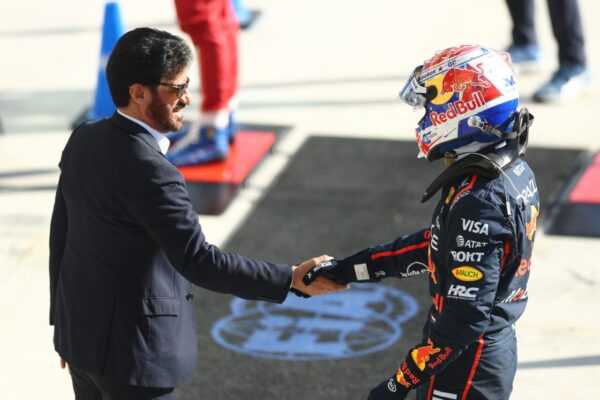




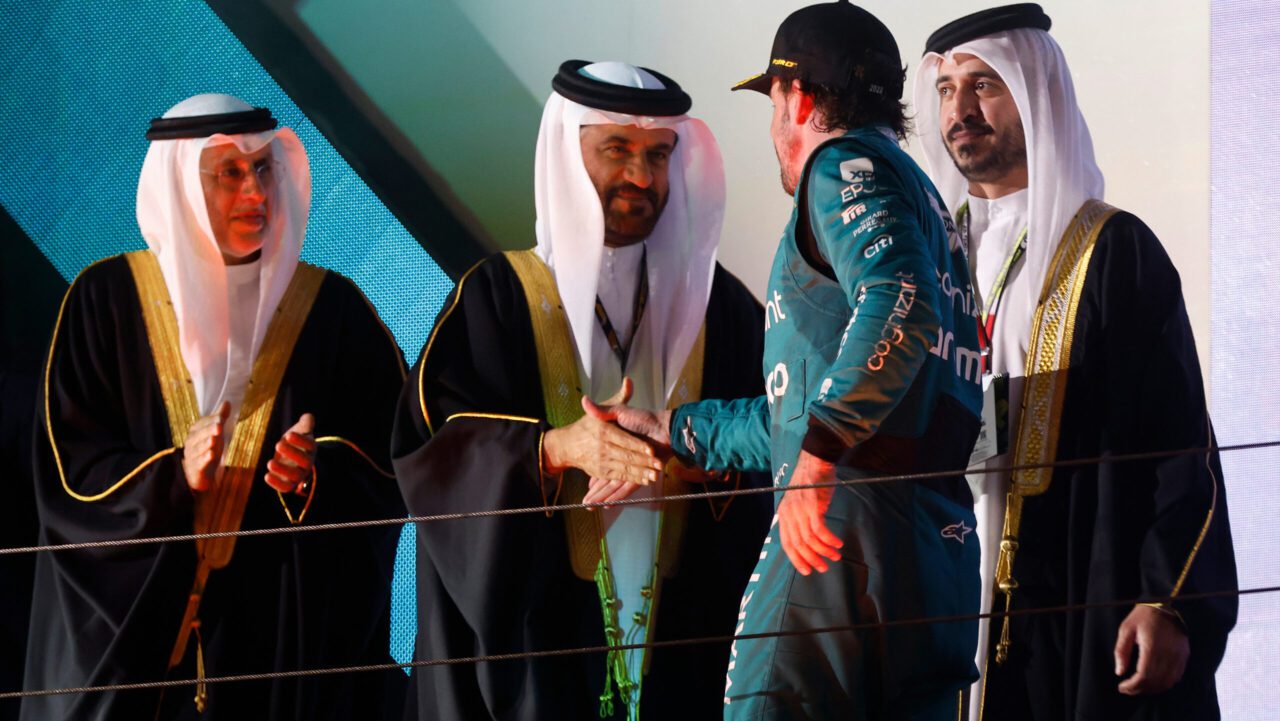
FIA President Mohammed Ben Sulayem has rejected accusations that the governing body holds a bias against British competitors in Formula 1. His comments follow recent controversial stewarding decisions at the Dutch Grand Prix.
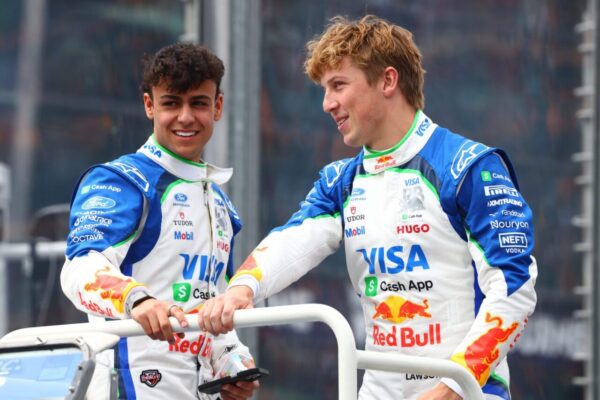
The scrutiny intensified after Franco Colapinto and Arvid Lindblad received drive-through penalties during the Zandvoort event. Both drivers were penalised for overtaking under yellow flags following Max Verstappen’s opening-lap accident.
Colapinto and Lindblad publicly disputed the penalties. The decisions subsequently generated significant criticism from fans and stakeholders, particularly in Argentina, Colapinto’s home country.
Ben Sulayem stated that claims of national bias are not isolated to Argentina. He confirmed receiving similar complaints suggesting the FIA was acting against British interests.
In response to the ongoing debate, Ben Sulayem announced plans to expand the pool of Formula 1 stewards. The FIA intends to implement a wider rotation of officials and has requested national sporting authorities to nominate candidates for training.
The FIA President emphasised the core principle of stewarding. He stated that officials must be tough but consistently fair, asserting that fairness remains central to the FIA’s mission.
Ben Sulayem also addressed the issue of online abuse directed at officials. The FIA condemned threats made against individual stewards following the Zandvoort incident and is exploring legal options.
This recent controversy adds to broader criticism the FIA has faced during the current 2026 Formula 1 season. Significant driver dissatisfaction has emerged regarding the new engine regulations.
Drivers, including Max Verstappen and Oscar Piastri, have voiced concerns over the 2026 power unit formula. Key issues include energy management and the near 50-50 split between combustion and electrical power.
FIA single-seater director Nikolas Tombazis acknowledged that the governing body anticipated many of these problems. However, he stated that governance limitations prevented earlier rule adjustments.
Tombazis explained that changes required approval from Formula One Management and a supermajority of manufacturers. These votes were not secured in time to implement desired revisions.
Ben Sulayem has previously defended the FIA’s approach to the 2026 regulations. He admitted that mistakes occur but maintained that the governing body takes responsibility and rectifies issues promptly.
Discussions are also underway regarding future engine concepts for Formula 1. Ben Sulayem has reiterated his support for a potential return to V8 power units by 2031, provided sustainability targets are met.