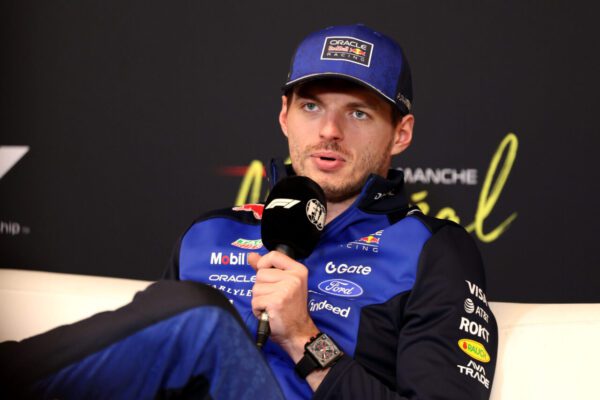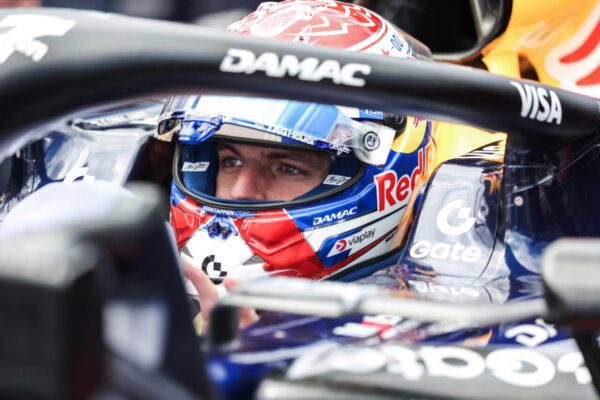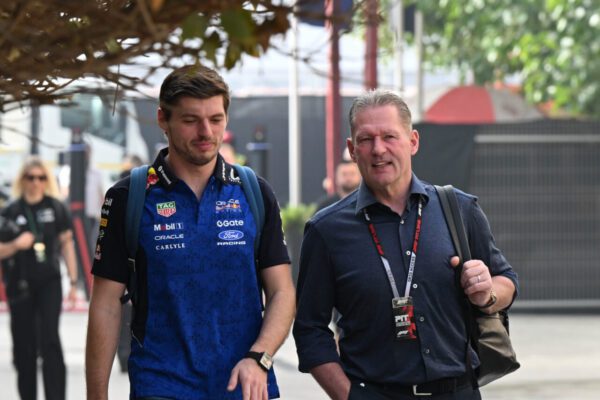
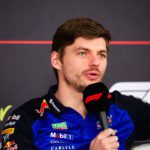
Dutch journalist Mark Hanselman has asserted that Max Verstappen’s victory at the recent Bahrain Grand Prix effectively ‘saved’ the FIA from intensified scrutiny following a chaotic race start. Hanselman, editor-in-chief at F1Maximaal.nl, highlighted Verstappen’s performance as a crucial diversion from the governing body’s operational challenges during the event.
The 2026 Bahrain Grand Prix, held in Malaysia, was marred by significant issues during its formation lap. Problems with the new 2026 power unit regulations led to several cars struggling with power delivery behind the Safety Car.
Lewis Hamilton’s Ferrari notably came to a halt on the track, alongside other vehicles experiencing similar difficulties. This prompted a red flag and considerable confusion regarding the restart procedure and grid order.
Drivers, including Hamilton and Fernando Alonso, voiced strong criticism regarding the FIA’s management of the chaotic start. Alonso specifically questioned the decision to halt the race, suggesting it allowed Hamilton to recover.
The FIA’s single-seater director, Nikolas Tombazis, has previously acknowledged driver dissatisfaction with aspects of the 2026 regulations. However, the governing body has attributed its inability to implement earlier rule adjustments to resistance from manufacturers.
Verstappen has been a vocal critic of the 2026 technical regulations throughout the season, describing the new cars as ‘Formula E on steroids’ during pre-season testing. He has repeatedly warned that the focus on energy management could diminish the quality of racing.
His outspoken comments have drawn attention, with former F1 driver Juan Pablo Montoya even suggesting the FIA should penalise Verstappen for his public criticism of the sport’s direction.
Despite the regulatory challenges and the chaotic start in Bahrain, Verstappen secured his first victory of the 2026 season. This win, according to Hanselman, shifted focus away from the FIA’s procedural difficulties and the underlying issues with the new power unit rules.
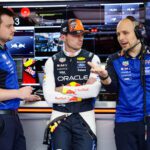
The incident during the formation lap saw Verstappen himself driving slowly at one point, with Red Bull instructing him to maintain engine revs to prevent the power unit from entering a low-power mode.
The FIA’s official explanation for the formation lap issues cited a combination of factors leading to an unforeseen situation, primarily related to low engine RPM behind the Safety Car in wet conditions.
Hanselman’s perspective suggests that Verstappen’s ability to navigate the challenging conditions and ultimately win the race served to mitigate broader criticism that might otherwise have been directed more intensely at the FIA’s regulatory framework and race control.