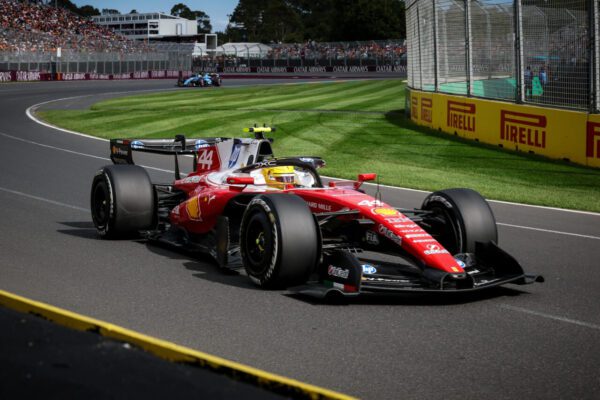

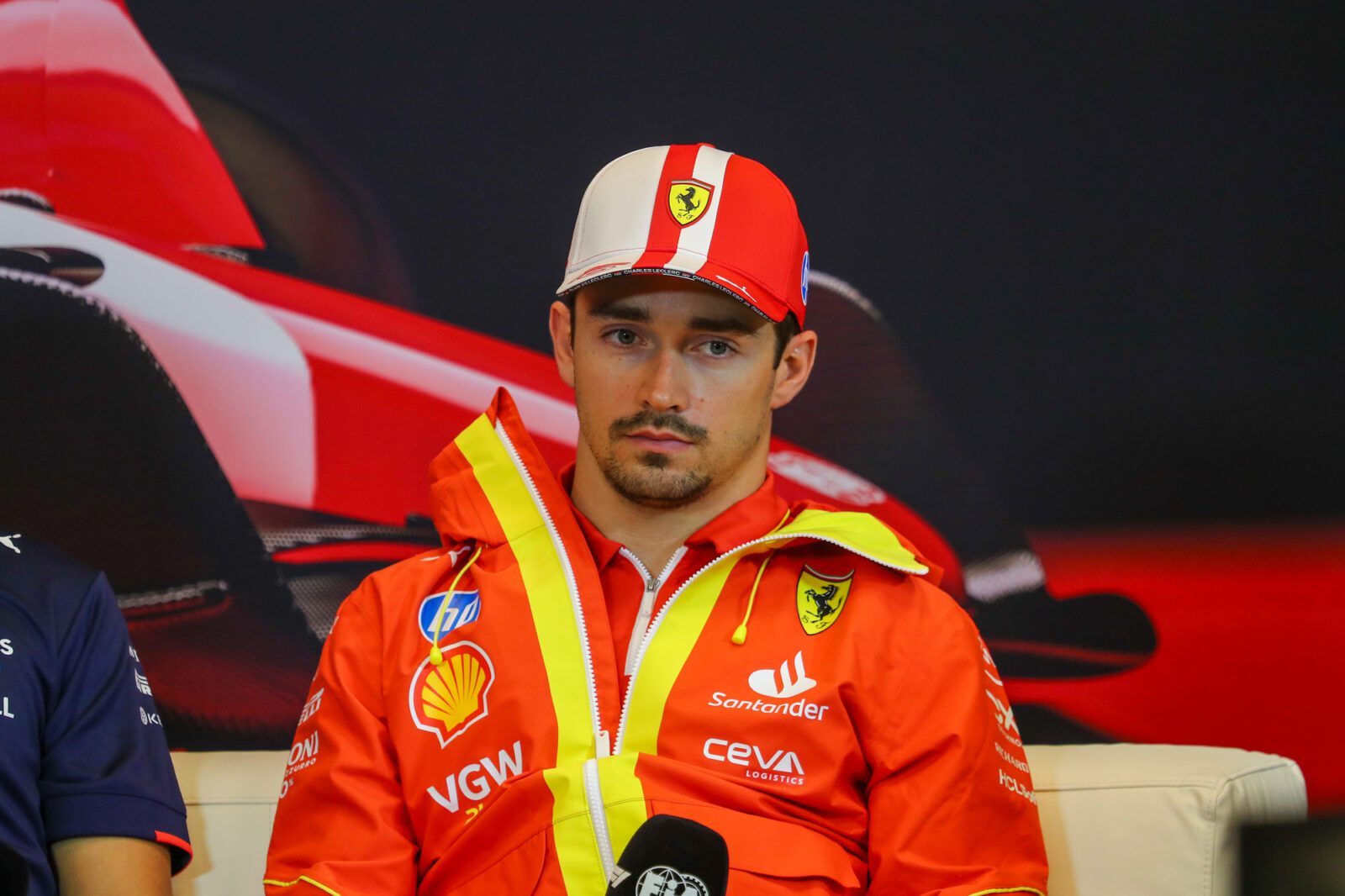
Charles Leclerc endured a significant accident during the Italian Grand Prix at Monza, crashing heavily on lap two. The Ferrari driver’s SF-26 sustained substantial damage after a high-speed impact at the Parabolica corner. This incident brought out an early red flag in the race.
Leclerc later expressed concern regarding his vision immediately following the 60G impact. He underwent medical checks after extracting himself from the heavily damaged chassis. Fortunately, he was declared unhurt, though visibly shaken by the incident.
The Monegasque driver indicated a potential mechanical issue contributed to his crash. Leclerc stated he felt a ‘difference in power delivery’ from the first to the second lap exiting Parabolica. He noted a sudden snap of oversteer sent him into the barriers.
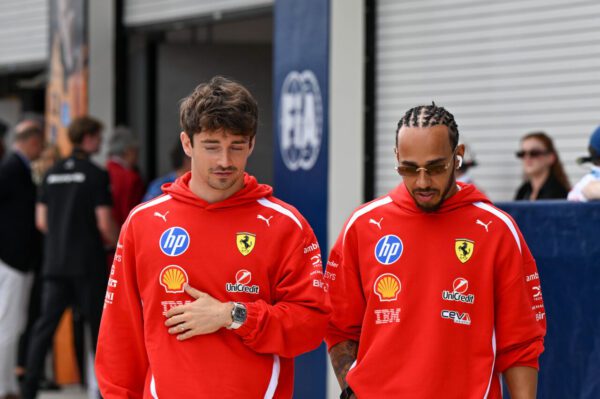
Prior to his retirement, Leclerc was involved in a contentious wheel-to-wheel battle with teammate Lewis Hamilton on the opening lap. The skirmish at the first chicane forced Hamilton wide, causing him to run through the gravel and lose positions.
Hamilton voiced frustration over Ferrari’s team management following the incident. He publicly demanded ‘rules of engagement’ to govern the Scuderia’s driver pairing, comparing the situation to his past championship battles. Hamilton stated, ‘Here, there are no rules. We need to address that.’
The seven-time world champion also dismissed Leclerc’s suggestion of shared blame for the Turn 1 incident. Hamilton told media outlets, ‘I was ahead in Turn 2. There was no ‘we’ in it,’ after the Monza race.
Leclerc conceded that the aggressive maneuvering with Hamilton in front of the home crowd was a misstep. He admitted, ‘Here is true, though, that we went too far,’ regarding their on-track battle.
The FIA stewards investigated the opening lap incident between the two Ferrari drivers. However, after reviewing the situation, the stewards decided that no further action was required.
Leclerc’s challenging 2026 season has drawn scrutiny, with analysts pointing to difficulties adapting to the new Formula 1 regulations. These rules demand extensive energy management and lift-and-coast techniques, impacting traditional driving styles.