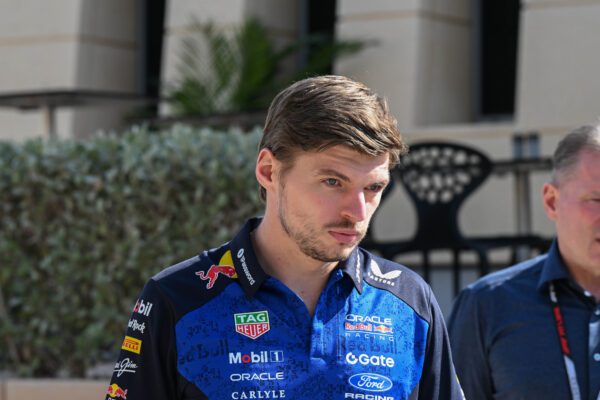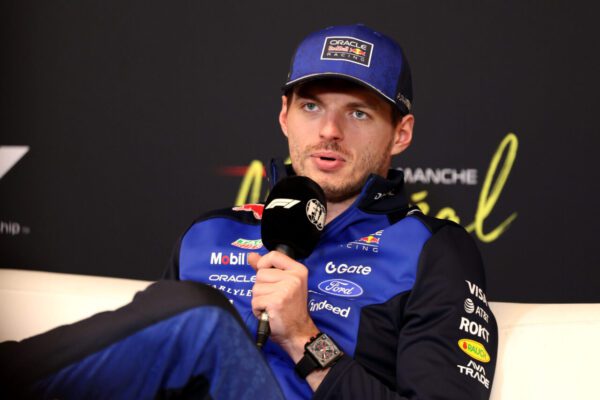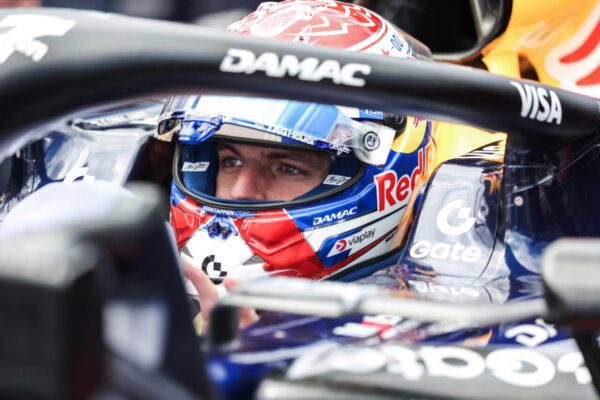



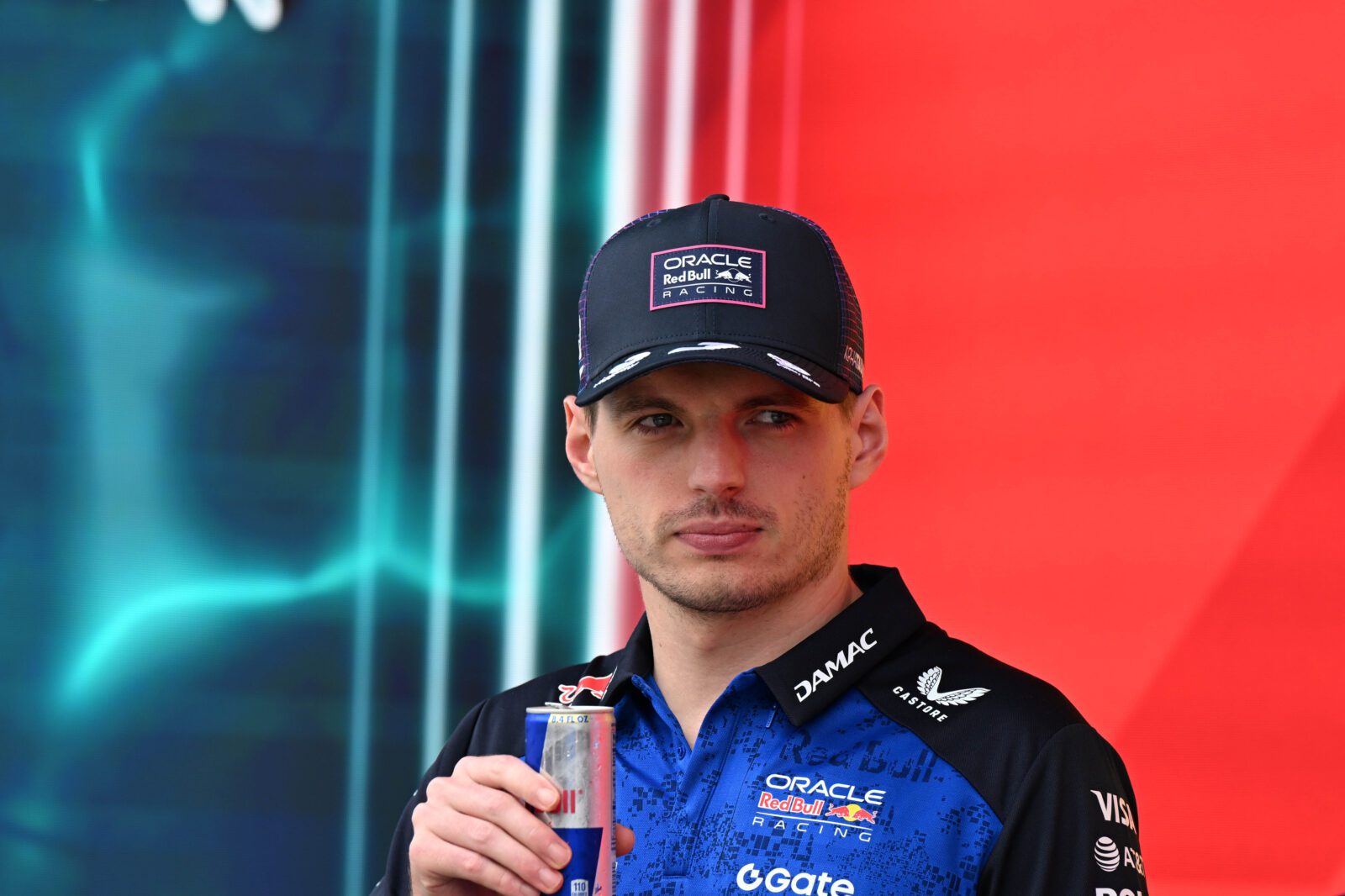
Veteran Formula 1 analyst Peter Windsor continues to express significant reservations regarding the impact of the 2026 technical regulations on driver performance, particularly concerning Max Verstappen. Windsor’s stance remains firm, even following Verstappen’s recent long-term contract extension with Red Bull until the end of the 2030 season.
Verstappen has been a vocal critic of the current 2026 regulations throughout the season. He previously described the new cars as ‘Formula E on steroids’ and ‘anti-racing’, highlighting his dissatisfaction with the energy management demands.
The Dutchman also made repeated threats to potentially leave Formula 1 if the racing experience did not improve. He stated that drivers would be left without adequate power at the conclusion of some straights due to depleted electrical storage.
Windsor argues that the 2026 rules have fundamentally altered the competitive landscape, effectively reducing elite drivers to an ‘ordinary’ level. He believes the regulations have ‘neutralised the talent’ of top competitors such as Verstappen and Charles Leclerc.
The analyst points out that Verstappen’s distinctive driving style, characterised by unique lines and braking points, no longer yields the same advantage under the current technical framework.
Early season results have, according to Windsor, provided evidence for this shift. He noted instances where rookie Isack Hadjar outperformed Verstappen in qualifying during the current season.
Windsor also attributed Verstappen’s early retirement at the Monaco Grand Prix to the complex startup procedures mandated by the 2026 power unit regulations. He described the incident as a ‘victim’ of the new rules.
Despite the backlash Verstappen received for his outspoken comments, Windsor has consistently defended the Red Bull driver. He stated that Verstappen is ‘just describing what is the situation’ in Formula 1.
Windsor suggested that Verstappen’s complaints are more prominent now because the Red Bull car is not performing at a level that allows him to overcome its limitations as he has in previous seasons.
The analyst’s sentiment that the current state of affairs is ‘not a good thing’ aligns with his broader criticism of compromises within the hybrid regulations. He has previously asserted that ‘compromises are never good’ in the sport.
This ongoing critique from Windsor contrasts with Verstappen’s decision to commit his long-term future to Red Bull. Windsor had earlier predicted that Verstappen might not complete the 2026 season due to his dissatisfaction with the regulations.
The FIA has introduced mechanisms like the Additional Development and Upgrade Opportunities (ADUO) ruling for 2026 to foster closer competition. However, Red Bull remains the benchmark for engine performance under these new provisions.