



Former Formula 1 driver Christijan Albers has expressed mixed feelings regarding Mercedes’ strategic approach to the 2026 power unit regulations. He suggests Mercedes and Ferrari intentionally focused on the electrical components. This strategy potentially involved deploying a less powerful Internal Combustion Engine (ICE) to gain development tokens.
The 2026 Formula 1 season introduced significant changes to power unit regulations. These rules mandate a near 50/50 split between internal combustion and electrical power. Previously, the ICE contributed approximately 80% of the power.
The new regulations also saw the removal of the complex MGU-H. Concurrently, the MGU-K’s electrical output dramatically increased from 120 kW to 350 kW. This change aims for greater road relevance and sustainability.
The FIA implemented an Additional Development and Upgrade Opportunities (ADUO) system for 2026. This mechanism allows manufacturers with a measured power deficit in their ICE to receive additional development tokens. The system aims to prevent one manufacturer from gaining an insurmountable advantage.
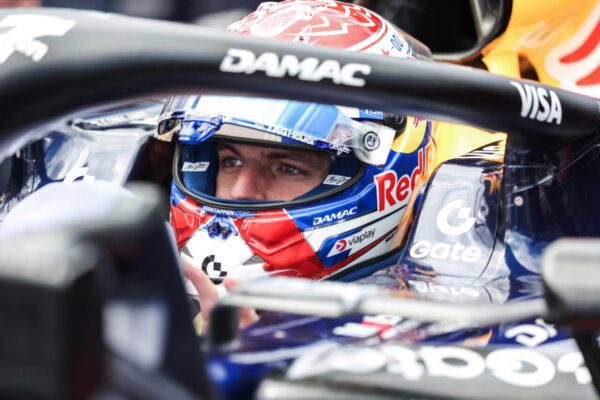
Recent FIA assessments under the ADUO system declared Red Bull Powertrains’ ICE as the benchmark. This designation means Red Bull receives no upgrade tokens for their internal combustion engine.
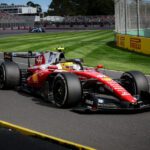
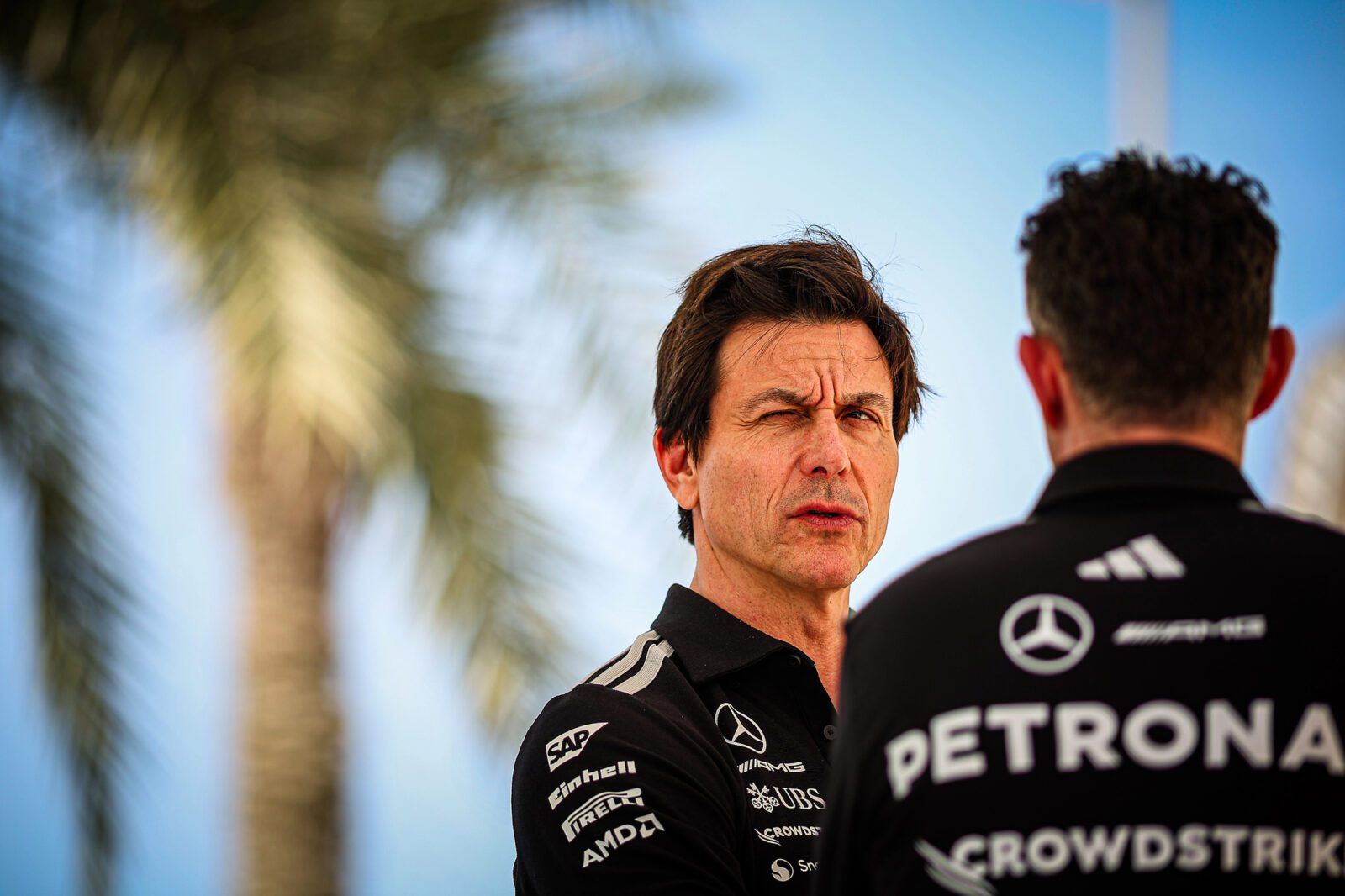
Conversely, Mercedes was found to be operating with a two to four percent ICE deficit relative to Red Bull’s benchmark. Consequently, Mercedes has been granted one additional engine upgrade for both the 2026 and 2027 seasons.
Ferrari, Audi, and Honda were assessed to be more than four percent behind the leading ICE standard. These manufacturers will receive two development tokens each for both the 2026 and 2027 seasons.
The ADUO system’s exclusive focus on ICE performance has generated controversy within the paddock. Critics argue it overlooks the crucial role of electrical efficiency and deployment strategies.
Despite Red Bull’s ICE being the benchmark, Mercedes has demonstrated superior overall performance on track this season. Mercedes has secured eight victories in the first twelve races of 2026.
This disparity suggests Mercedes possesses a more effective overall power unit package. Their advantage is believed to stem from superior electrical system integration and deployment.
Albers’ comments reflect a broader discussion about the ADUO system’s effectiveness. The system appears to reward specific development paths that may not align with overall on-track performance.