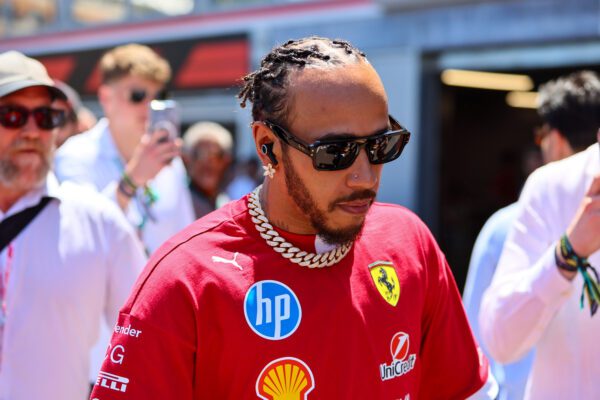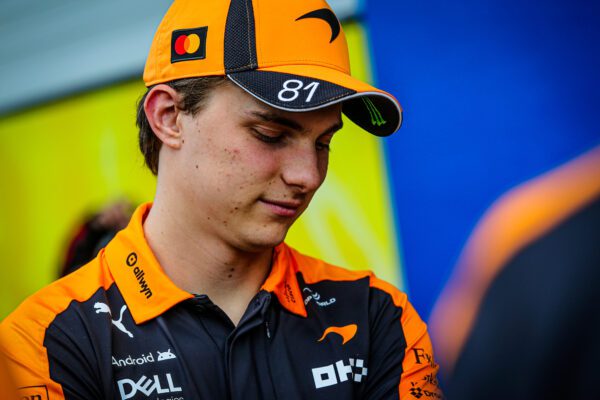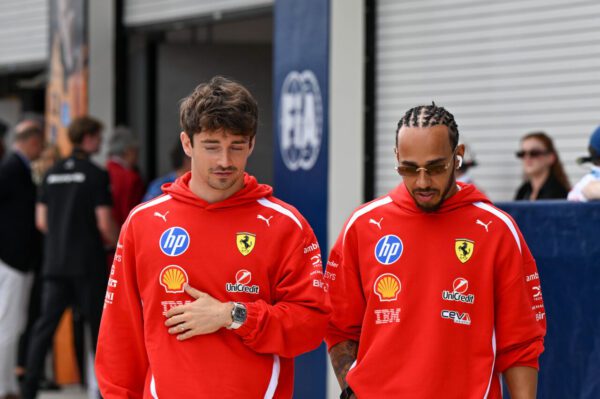
The battle for Formula 1 supremacy extends beyond the track, with team bosses wielding significant influence. Their individual power, combined with their employers’ standing, shapes the sport’s direction. This influence is often driven by self-interest, leading to varying degrees of authority across the paddock.
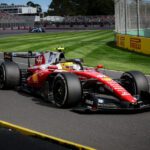
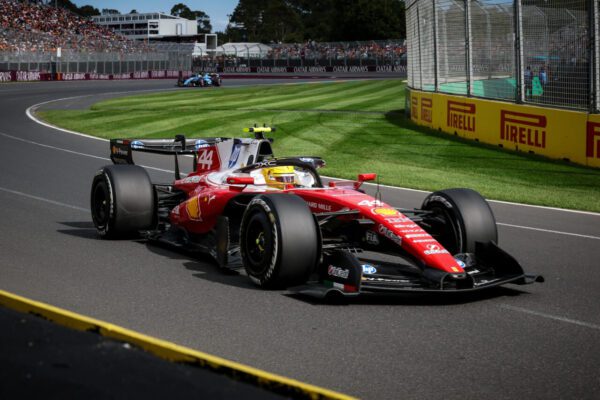
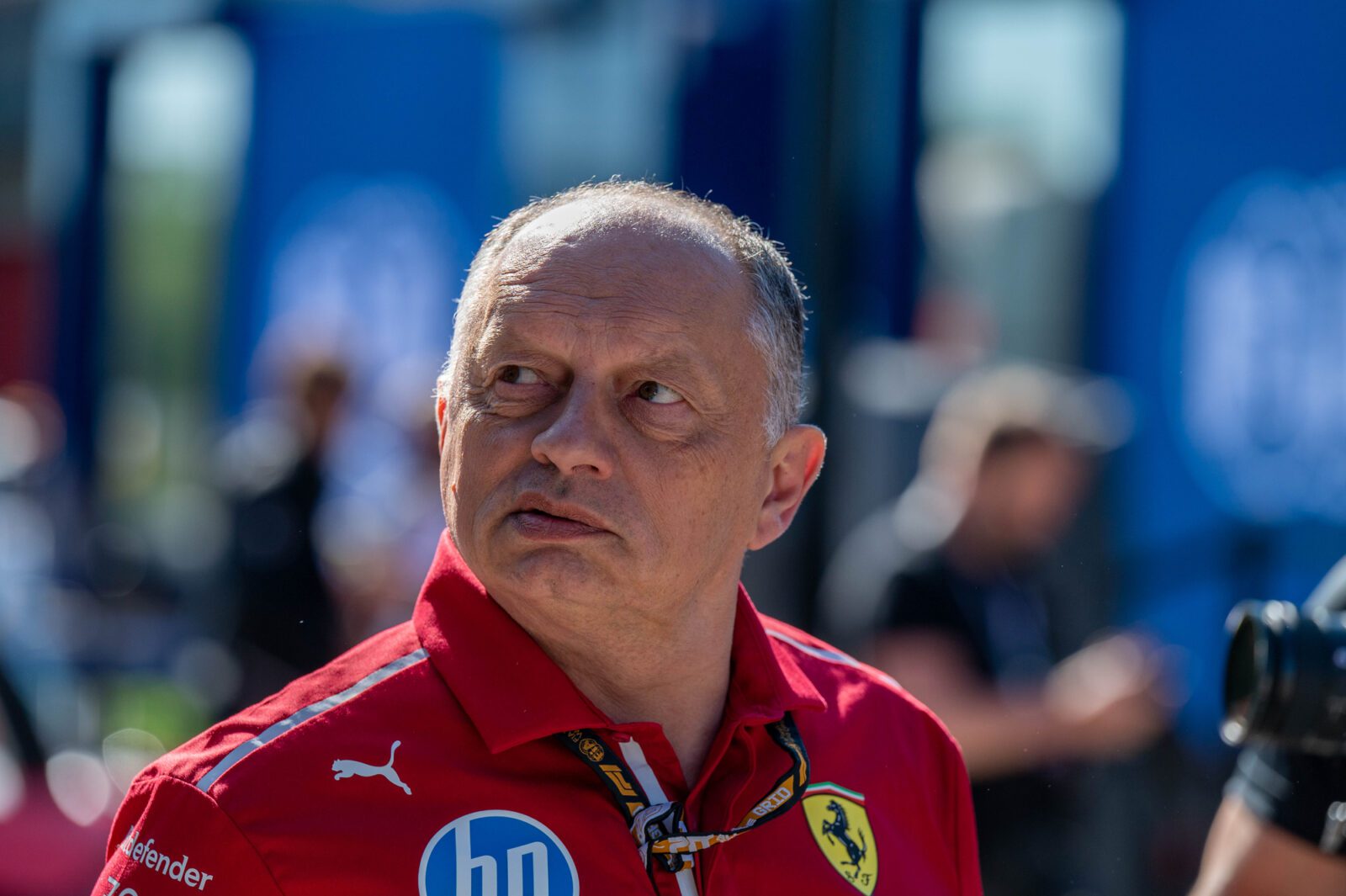
Fred Vasseur, at the helm of Ferrari, benefits significantly from the team’s historical position. Ferrari possesses a unique right to veto sporting and technical regulation proposals within the F1 Commission. This concession acknowledges Ferrari’s long-standing influence in the championship.
This veto power allows Vasseur a direct approach to influencing F1’s future, unlike other team bosses who rely more on political maneuvering. Furthermore, Ferrari has confirmed a technical collaboration with the General Motors/Cadillac F1 project.
Ferrari will supply power units and gearboxes to the Cadillac team starting in the 2026 season. This agreement, subject to Cadillac’s full entry approval, means Ferrari will maintain two customer teams, including Haas, enhancing its technical development.
Toto Wolff, Mercedes Team Principal and CEO, holds substantial power through his one-third ownership of the Mercedes F1 team. His experience and role representing Mercedes-Benz amplify his influence within the paddock.
Reports from late 2025 indicated Wolff was in advanced talks to sell a portion of his stake, valuing Mercedes F1 at $6 billion. Despite this, he is set to remain in his leadership roles through the 2026 season.
Mercedes has shown strong performance early in the 2026 season, securing back-to-back one-two finishes. Wolff anticipates ‘political knives’ from rivals as Mercedes’ advantage becomes clear.
Mercedes HPP also supplies power units to customer teams McLaren, Williams, and Alpine for 2026, extending Wolff’s indirect influence. This network contributes to Mercedes’ broader political standing.
Flavio Briatore, serving as Alpine’s executive advisor, continues to wield significant influence. He returned to the team in 2024, effectively covering Team Principal duties alongside Managing Director Steve Nielsen.
Briatore, a veteran of the paddock, has deep personal connections within F1’s commercial side. He has been instrumental in reshaping Alpine’s competitive direction and commercial strategy for the 2026 regulations.
Alpine has switched to Mercedes power units for the 2026 season, a decision Briatore believes will lead to improved performance. He has set a target for Alpine to achieve podium finishes in 2026.
Briatore has also been involved in decisive team actions, including driver changes, such as Franco Colapinto replacing Jack Doohan earlier this season. His presence is seen as a psychological boost for the team.
McLaren CEO Zak Brown is known as a disruptor, unafraid to champion what he believes is best for the sport. He has engaged in political discussions with figures like Christian Horner and Toto Wolff.
Brown recently sent a letter to FIA President Mohammed Ben Sulayem in May 2026, expressing concerns over common team ownership structures. He cited instances where sporting integrity could be compromised.
Brown highlighted the 2024 Singapore Grand Prix, where a Racing Bulls driver’s fastest lap denied McLaren a crucial point. He advocates for unwinding existing alliances to ensure future integrity.
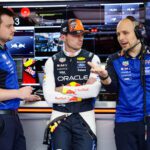
Laurent Mekies, Team Principal of Red Bull Racing, represents a significant force in the paddock. He assumed the role in July 2025, bringing experience from Ferrari and the FIA.
Red Bull Powertrains, in partnership with Ford, is developing the power units for 2026. These units will supply both Red Bull Racing and Visa Cash App Racing Bulls.
Mekies has acknowledged the ‘mountain to climb’ in developing their own power units for the new regulations. He has also emphasized Max Verstappen’s integral role beyond just driving.
Christian Horner, who departed Red Bull in July 2025, made his first F1 paddock appearance at Silverstone in July 2026. He is reportedly interested in acquiring a 24% stake in Alpine.
Such an acquisition could include management influence and veto rights over drivers and team structure. Horner has also praised Red Bull’s 2026 power unit, which was judged to have the strongest combustion engine early in the season.