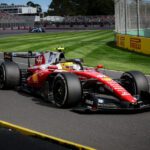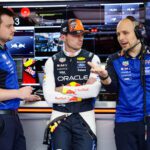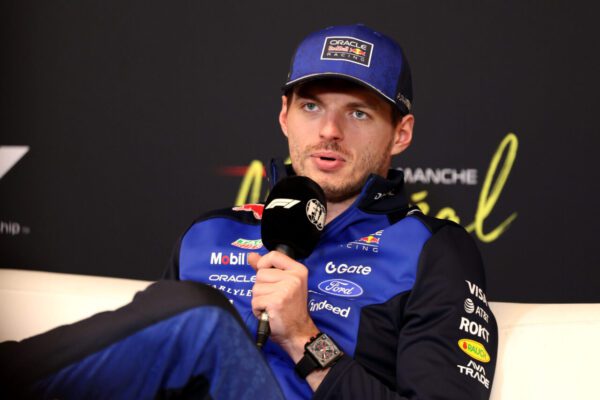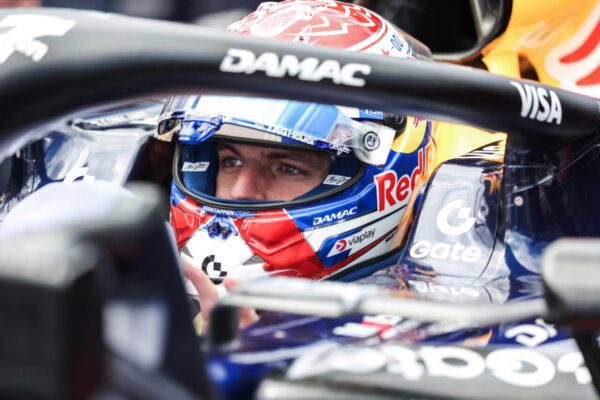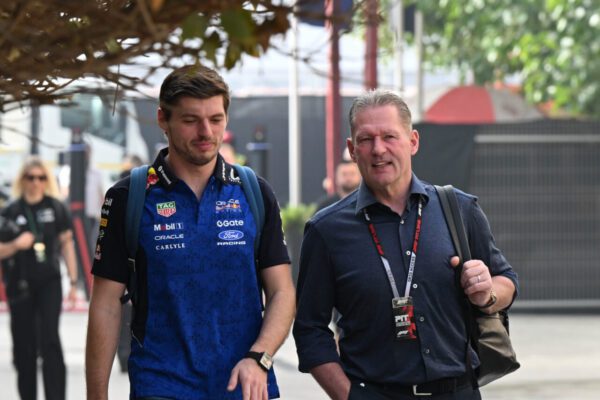

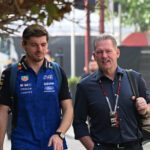


Max Verstappen has adopted a critical stance regarding the 2026 Formula 1 regulations, with his current team, Red Bull Racing, experiencing a significant performance deficit this season. The four-time world champion has openly voiced his dissatisfaction with the RB22 car, describing its performance as ‘garbage’ on multiple occasions.
Red Bull Racing currently sits fourth in the constructors’ championship and has yet to secure a Grand Prix victory during the 2026 season. This marks a notable departure from their recent period of dominance, which saw Verstappen claim four consecutive drivers’ titles.
Verstappen’s public remarks have become increasingly direct, reflecting his frustration with the team’s ongoing struggles. He has shown growing impatience when questioned about internal Red Bull politics, historical comparisons, and speculation surrounding his future.
The 2026 season introduced a comprehensive overhaul of both chassis and engine regulations, featuring a significant increase in electrification. Verstappen believes adaptation will be crucial under these new rules, which he suggests have fundamentally altered the competitive landscape.
The Dutchman has compared the feel of the new 2026 cars to driving in Formula E, a sentiment he claims is shared by the majority of his fellow drivers. He has maintained an unfiltered approach to these assessments, stating he is not concerned with external opinions.
Discussions surrounding the sport’s financial framework also remain pertinent. The F1 cost cap for 2026 has increased to $215 million, with a separate power unit cost cap now set at $190 million.
Red Bull’s recent history includes a $7 million fine and a reduction in wind-tunnel testing for exceeding the 2021 budget cap. This past infringement continues to factor into broader discussions about compliance and competitive balance within the sport.
The FIA’s Aerodynamic Testing Restrictions (ATR) system, designed to prevent runaway performance gaps, has inadvertently benefited Red Bull this season. Their current fourth-place standing grants them increased aerodynamic development time for the latter half of 2026.
Former Haas Team Principal Günther Steiner, who is open to an F1 return for the right project, has previously commented on the nature of team development and compliance. He noted that ‘top teams will develop faster/better’ and that ‘nobody cheats… until they get caught,’ observations that resonate with ongoing discussions in the paddock.
Mercedes boss Toto Wolff highlighted Red Bull’s power unit deployment advantage during 2026 Bahrain testing, suggesting a one-second per lap gain on straights. Verstappen, however, dismissed these claims as ‘diversion tactics’ by rivals.
Verstappen’s contract with Red Bull extends until the end of 2028, but reports indicate performance clauses could allow an earlier departure. Discussions with other teams, including McLaren and Mercedes, are reportedly ongoing, with his patience linked to Red Bull’s performance improvements in the coming months.