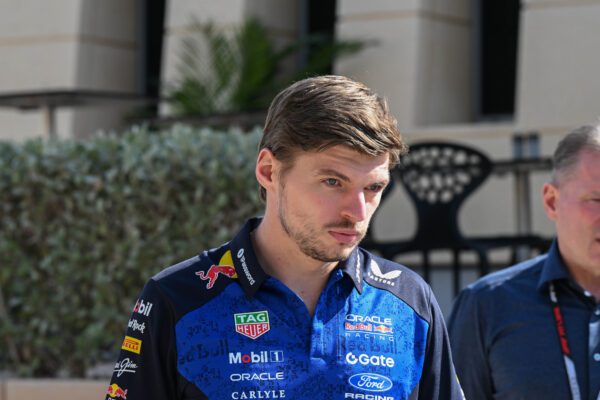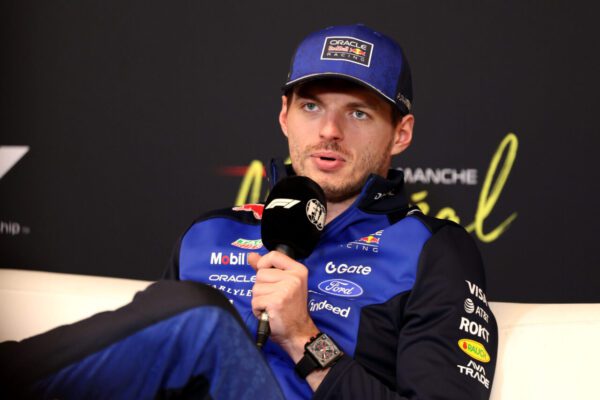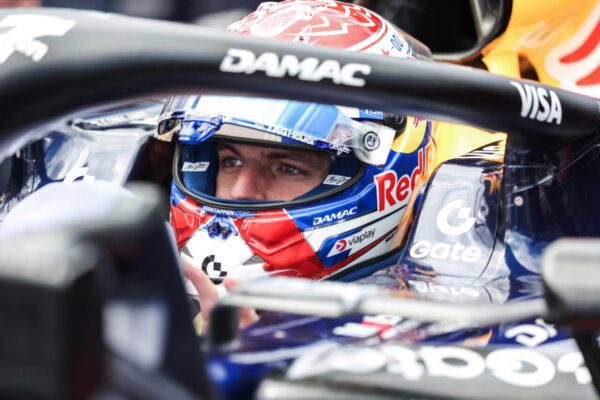



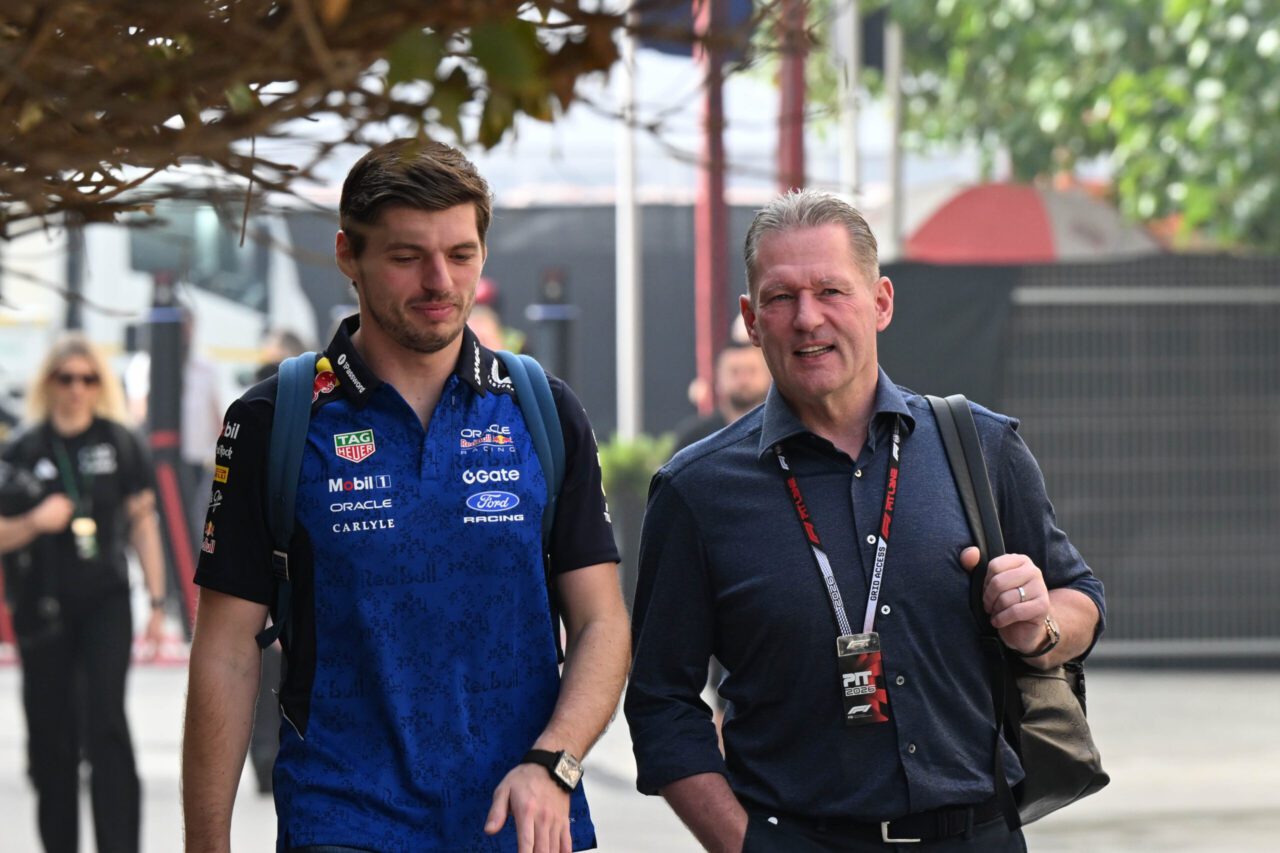
Max Verstappen has described the experience of navigating Formula 1 street circuits as ‘very intense, with all those walls.’ This statement reflects a long-standing sentiment from the Red Bull Racing driver regarding the inherent challenges of urban track layouts in modern Grand Prix racing.
Verstappen has consistently voiced his opinion that contemporary F1 cars are not ideally suited for street circuits. He has previously stated that the vehicles are ‘too long, too wide, and too heavy’ for the narrow confines of such tracks.
This perspective has been a recurring theme in his commentary, with the Dutchman noting that if circuits like Monaco were proposed today, they would likely not be approved due to current car dimensions and safety standards.
The Jeddah Corniche Circuit, despite the cancellation of its 2026 Grand Prix, exemplifies the characteristics Verstappen describes. It is known for its high-speed sections, unforgiving walls, and blind corners, demanding total commitment from drivers.
The circuit’s design creates an environment where even minor errors can lead to significant consequences, contributing to the intense nature of racing there.
Earlier this season, the Monaco Grand Prix, held in June 2026, saw drivers grapple with the demands of the circuit under the new technical regulations. Several competitors reported difficulties with the 2026 cars on the principality’s tight streets.
The 2026 regulations, featuring a 50-50 split between internal combustion and electrical power, have introduced new complexities. Drivers must manage energy deployment carefully, which can impact performance on circuits with limited braking zones for regeneration.
While some, like Audi driver Gabriel Bortoleto, argue that drivers should adapt to any machinery, the challenges posed by the 2026 cars on street circuits are widely acknowledged across the paddock.
The upcoming Singapore Grand Prix, scheduled for October 11, 2026, represents another demanding street circuit on the calendar. It will again test drivers’ precision and the cars’ capabilities within a walled environment.
Verstappen’s comments underscore the persistent physical and mental demands placed on Formula 1 drivers when competing on circuits defined by close proximity to barriers.