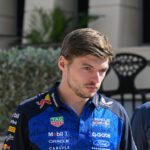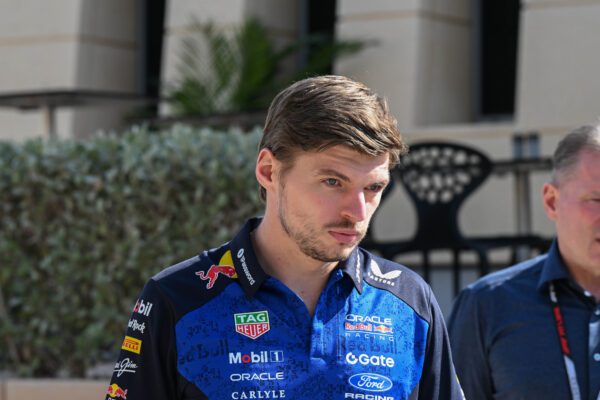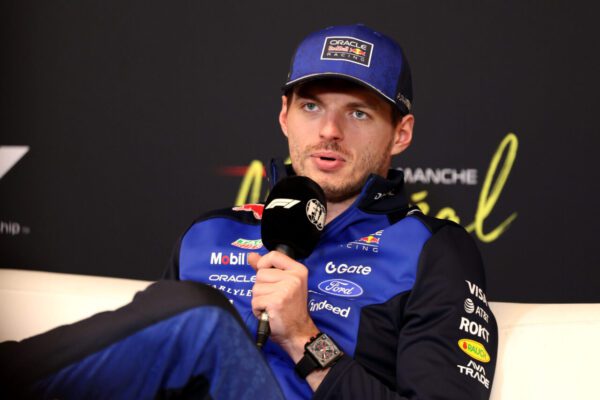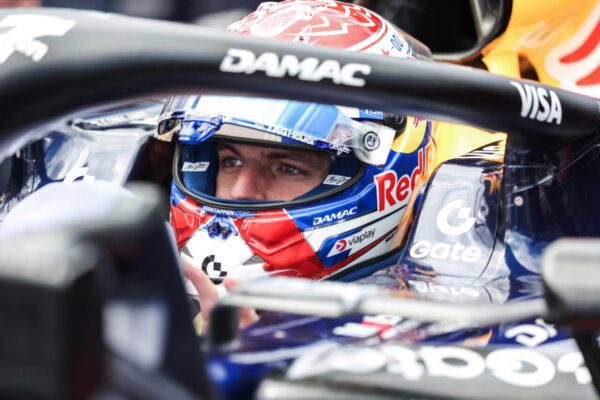


Former Formula 1 driver Gerhard Berger has weighed in on Max Verstappen’s future at Red Bull Racing, highlighting a difficult choice for the four-time world champion regarding where he can continue to secure world titles. Verstappen’s current contract with Red Bull runs until the end of the 2028 season, but it contains performance-based exit clauses.
Reports indicate that a clause allowing Verstappen to leave the team for the 2027 season has been activated. This clause permits his departure if he is not positioned within the top two of the drivers’ standings by the summer break. Verstappen currently sits sixth in the championship, making the clause active.
Red Bull is reportedly working to secure Verstappen’s long-term commitment. The team has offered a new contract extension that would keep him at Milton Keynes until the end of 2029, including a significant salary increase. This proposed deal would also remove the existing exit clause.
Berger, a staunch admirer of Verstappen’s driving ability, believes the Dutchman should remain with Red Bull. He acknowledges the team’s current challenges in the 2026 season but anticipates a return to front-running competitiveness within six to twelve months.
‘I’m a fan of Max. I think he’s an outstanding driver. When I look and see Red Bull, they built a brand-new engine. Yes, they got people from other companies, but to compete with the experience of Mercedes or Ferrari, and being competitive already in the first year of doing your own engine, it’s actually quite impressive.’
Red Bull Powertrains, in collaboration with Ford, is developing its own power unit for the 2026 regulations. This new venture has faced scrutiny, with technical discussions earlier this year regarding the legality of Red Bull and Mercedes’ compression ratio designs.
The 2026 Formula 1 season introduced substantial technical changes, particularly to the power units. These regulations mandate a near 50/50 split between internal combustion and electrical power, remove the complex MGU-H, and significantly increase the MGU-K’s power output.
Additionally, the cars are smaller, lighter, and feature active aerodynamics, replacing the Drag Reduction System (DRS) with an ‘Overtake Mode’ to enhance racing. These changes have presented a steep learning curve for all teams.
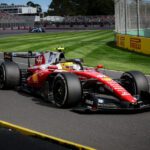
Mercedes has demonstrated strong performance during the current 2026 season, with Andrea Kimi Antonelli leading the drivers’ standings. Ferrari, while showcasing a competitive chassis, has acknowledged a comparative deficit in engine power to Mercedes and is actively pursuing upgrades.
McLaren, a Mercedes power unit customer, has also encountered difficulties adapting to the new 2026 power unit regulations, trailing their engine supplier in performance. Verstappen’s decision on his future is expected by mid-October.