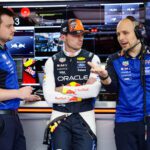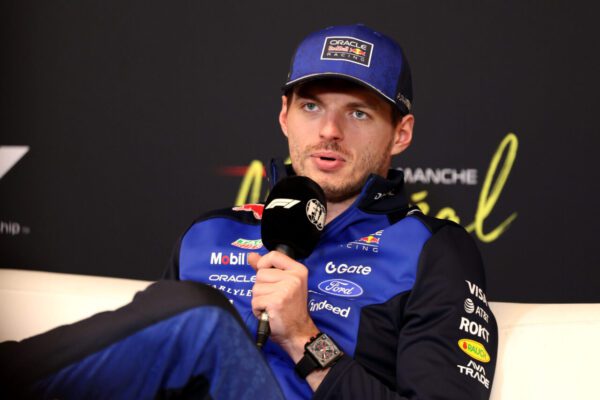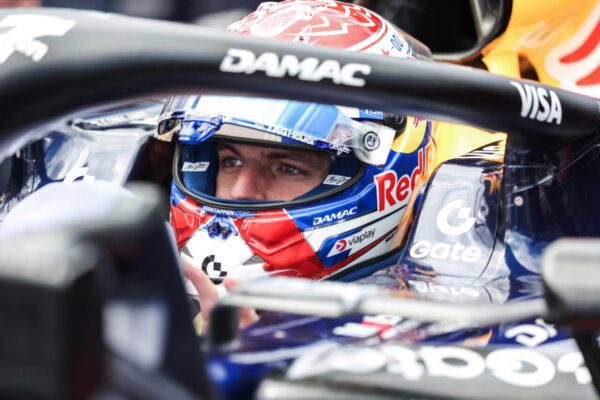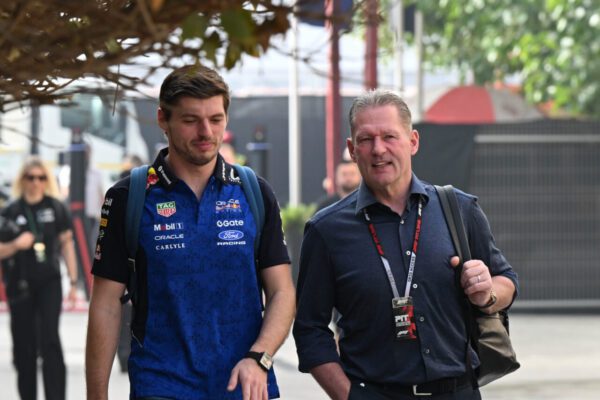


Formula 1 CEO Stefano Domenicali has expressed confidence in Max Verstappen’s continued presence in the sport, despite ongoing discussions regarding the driver’s contract and his public criticism of the 2026 technical regulations. Domenicali stated he believes Verstappen ‘will be very happy’ with the adjustments to the rules set to be implemented next year.
Verstappen is currently contracted to Red Bull until the conclusion of the 2028 season. However, his future has been a subject of intense speculation since the start of the 2026 campaign, largely due to his dissatisfaction with the new regulations.
Reports from German publication BILD on July 28, 2026, indicate that Red Bull has offered Verstappen a substantial contract extension. This proposed deal would see him remain with the team until the end of the 2029 season.
The new offer reportedly includes a significant salary increase, estimated at around $80 million annually, up from his current €65 million. Crucially, the extension is said to remove the performance-based exit clause present in his existing contract.
This clause permits Verstappen to depart Red Bull at the close of the 2026 season if he is not positioned within the top two of the Drivers’ Championship standings by the summer break. Following a second-place finish at the Hungarian Grand Prix, Verstappen currently sits sixth in the standings, over 100 points adrift of Mercedes driver Andrea Kimi Antonelli.
The activation of this performance clause grants Verstappen until October to make a definitive decision regarding his future. Despite this, his manager, Raymond Vermeulen, has affirmed Verstappen’s desire to complete his current contract with Red Bull through 2028.
Domenicali acknowledged the widespread criticism of the 2026 regulations, particularly from drivers. He stated that he is not present ‘to put tape on mouths’ but prefers internal discussions regarding concerns.
The F1 CEO maintained a ‘super positive’ outlook on the first half of the current season. He suggested that much of the negativity surrounding the new rules originates from within Formula 1 itself.
Domenicali has engaged in multiple conversations with Verstappen, indicating an understanding of the driver’s concerns while also emphasizing the broader context of the sport. He stressed that Verstappen’s voice, as a multiple world champion, ‘has to be listened to’.
The 2026 regulations represent a significant shift in power unit architecture, aiming for a near 50/50 split between the internal combustion engine and electrical power. This is a notable change from the previous approximate 80% ICE and 20% electrical power.
The MGU-H component has been removed, and the MGU-K’s power output has been nearly tripled to 350kW. The internal combustion engine’s output has been reduced to approximately 400 kilowatts.
Drivers, including Verstappen and Fernando Alonso, have voiced strong opinions on the energy management demands of the new cars. Verstappen notably described the new cars as ‘anti-racing’ and likened them to ‘Mario Kart’.
Alonso, in turn, has referred to Formula 1 as the ‘battery world championship’. He also predicted that iconic corners at circuits such as Silverstone, specifically Maggotts, Becketts, and Chapel, would be reduced to ‘charging stations’ under the new rules.
Verstappen himself reported ‘laughing’ during a simulator session at Silverstone due to the extensive energy management required, anticipating it would be one of the most challenging circuits for battery depletion.
Isack Hadjar, another Red Bull driver, highlighted that ‘energy-rich’ circuits like the Hungaroring now offer ‘classic racing’, while ‘energy-starved’ tracks such as Spa-Francorchamps, despite their popular layouts, provide ‘one of the worst’ driving experiences.
In response to driver dissatisfaction and safety concerns, the FIA confirmed rule adjustments in April 2026. These changes included a reduction in the qualifying recharge limit from eight megajoules to seven, intended to facilitate flat-out laps.
Further modifications to the power unit ratio are anticipated for the 2027 and 2028 seasons to rebalance the electrical and combustion components. Discussions have included a proposed 60/40 ICE/electrical split for 2027.
Ferrari and Audi have reportedly raised concerns regarding the implementation of such changes. Ferrari’s issues are linked to the Additional Development and Upgrades Opportunities (ADUO) framework, while Audi prefers a staggered approach to the ratio change due to feasibility and cost.
Despite these concerns, Mercedes, Red Bull Powertrains, and Honda are understood to be amenable to the proposed 60/40 split. F1’s internal data indicates a positive fan reception, with 66% rating races as ‘good’ or ‘excellent’ in 2026, an increase from 60% in 2025.
Only the British Grand Prix received a significantly lower fan rating, attributed to a safety car finish and the highly eventful 2025 race. Red Bull’s simulator driver, Sebastien Buemi, believes a victory for Verstappen this season is ‘a matter of time’, following recent performance improvements.