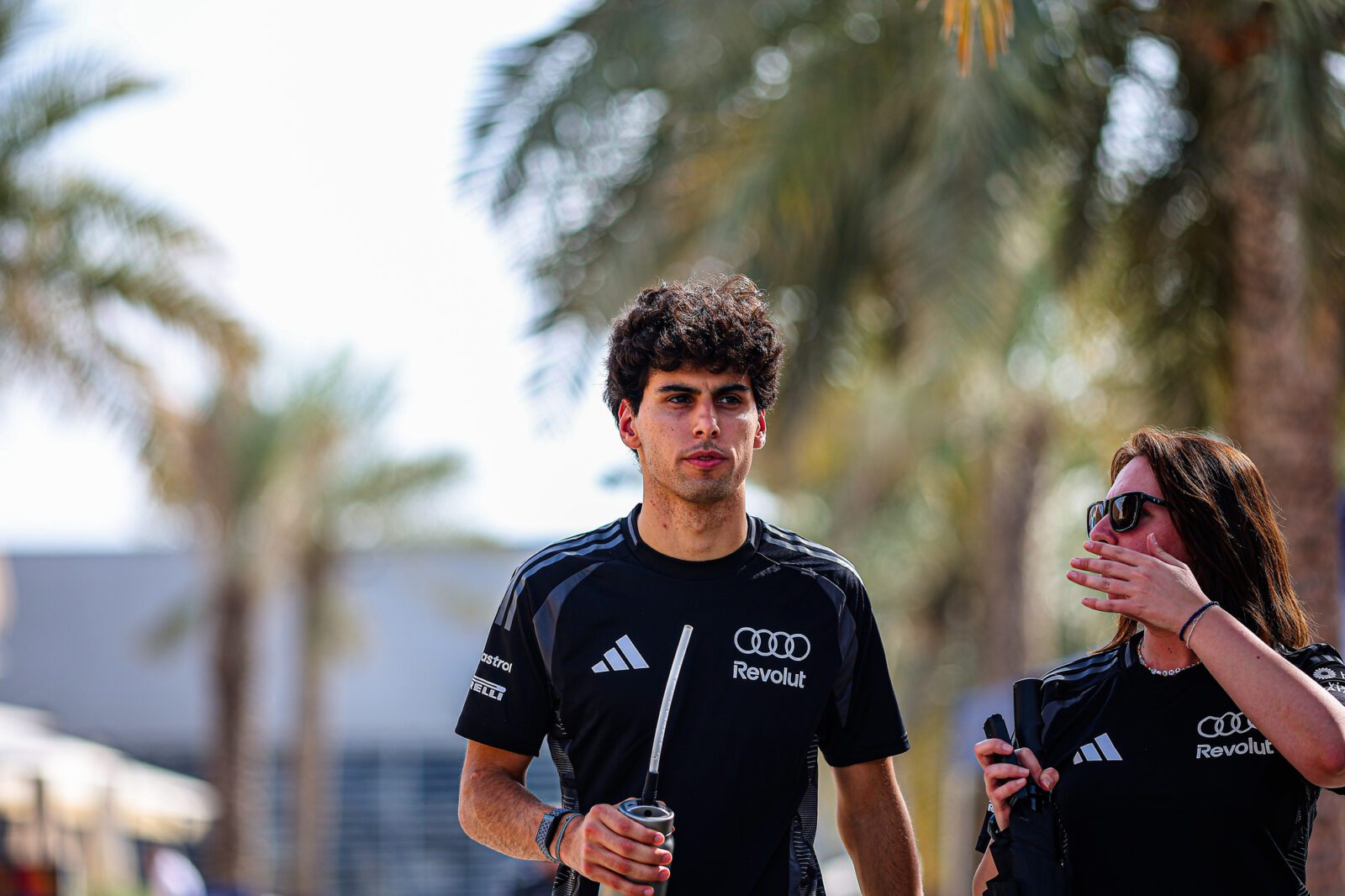
Gabriel Bortoleto has addressed recent criticism directed at Formula 1’s leading drivers, specifically defending their performance amidst the ongoing 2026 season. The Audi driver highlighted that elite talent consistently adapts to evolving technical regulations.
Bortoleto, who joined Sauber in 2025 before its transition to the Audi factory team this year, emphasized that top drivers maintain their competitive edge. He secured the FIA Formula 3 Championship in 2023 and the FIA Formula 2 Championship in 2024.
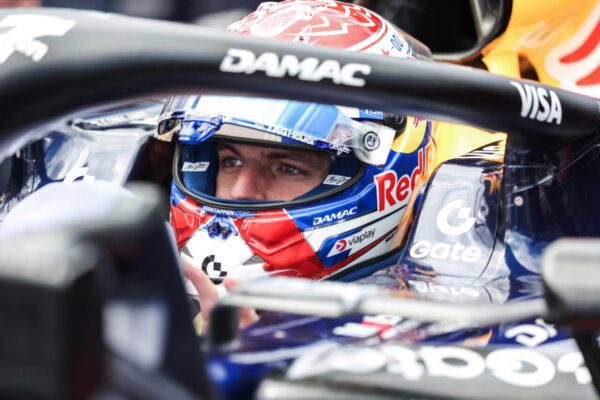
The Brazilian questioned the basis of the criticism, citing multiple world champions. He stated, ‘Do you see Verstappen being slow? Do you see a seven-time world champion being slow this year? Do you see Leclerc being slow? I don’t see them being slow. I still see them very competitive.’
Bortoleto further elaborated on individual performances. He noted, ‘Lewis is a bit better than he was doing last year. Max is still performing like crazy, putting that car on the top. Lando, the reigning world champion, is still quick when his thing doesn’t break.’
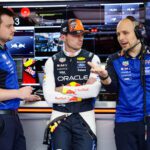
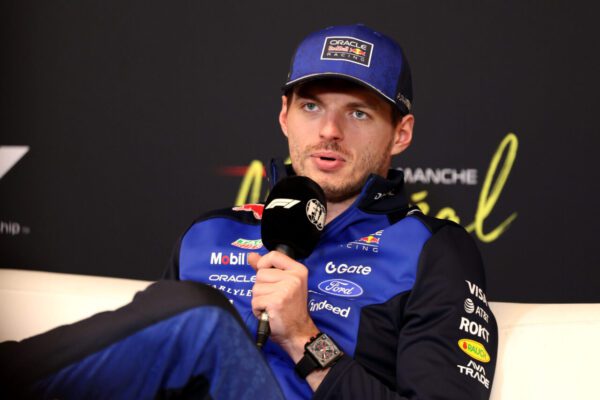
Max Verstappen, a four-time world champion, has faced challenges during the 2026 season, particularly concerning the new power unit regulations. These rules have introduced significant energy management complexities.
The 2026 regulations have led to instances of ‘super clipping,’ where batteries drain faster than they can recharge on high-speed circuits. This phenomenon can cause cars to slow down on straights, impacting overall performance.
Verstappen recently finished third at the Belgian Grand Prix, a result he described as a ‘good weekend’ despite his previous dominance at the circuit. He currently sits seventh in the drivers’ championship.
The Red Bull driver has openly described the 2026 Formula 1 season as a ‘jungle,’ reflecting the difficulties presented by the new power unit specifications. This sentiment underscores the adaptation required from drivers and teams.
Bortoleto’s comments reinforce the view that driver skill remains paramount, even when technical regulations introduce new variables. His perspective suggests that top-tier talent finds ways to extract performance regardless of the car’s inherent characteristics.
The Brazilian driver’s own career trajectory, moving from F3 and F2 championships directly into a Formula 1 seat with Audi, positions him to comment on the demands placed on drivers at the sport’s pinnacle.