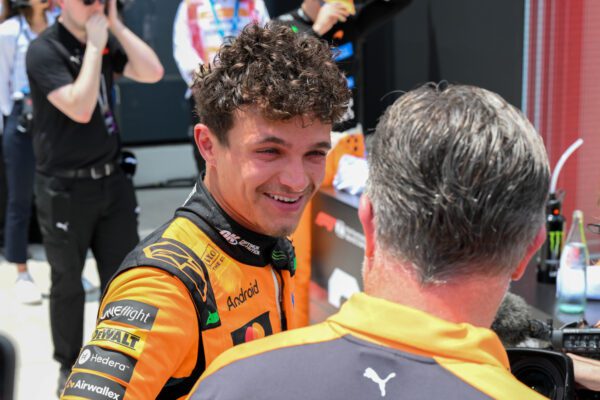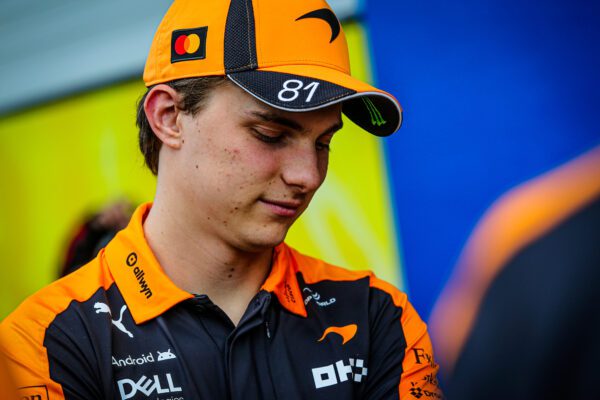




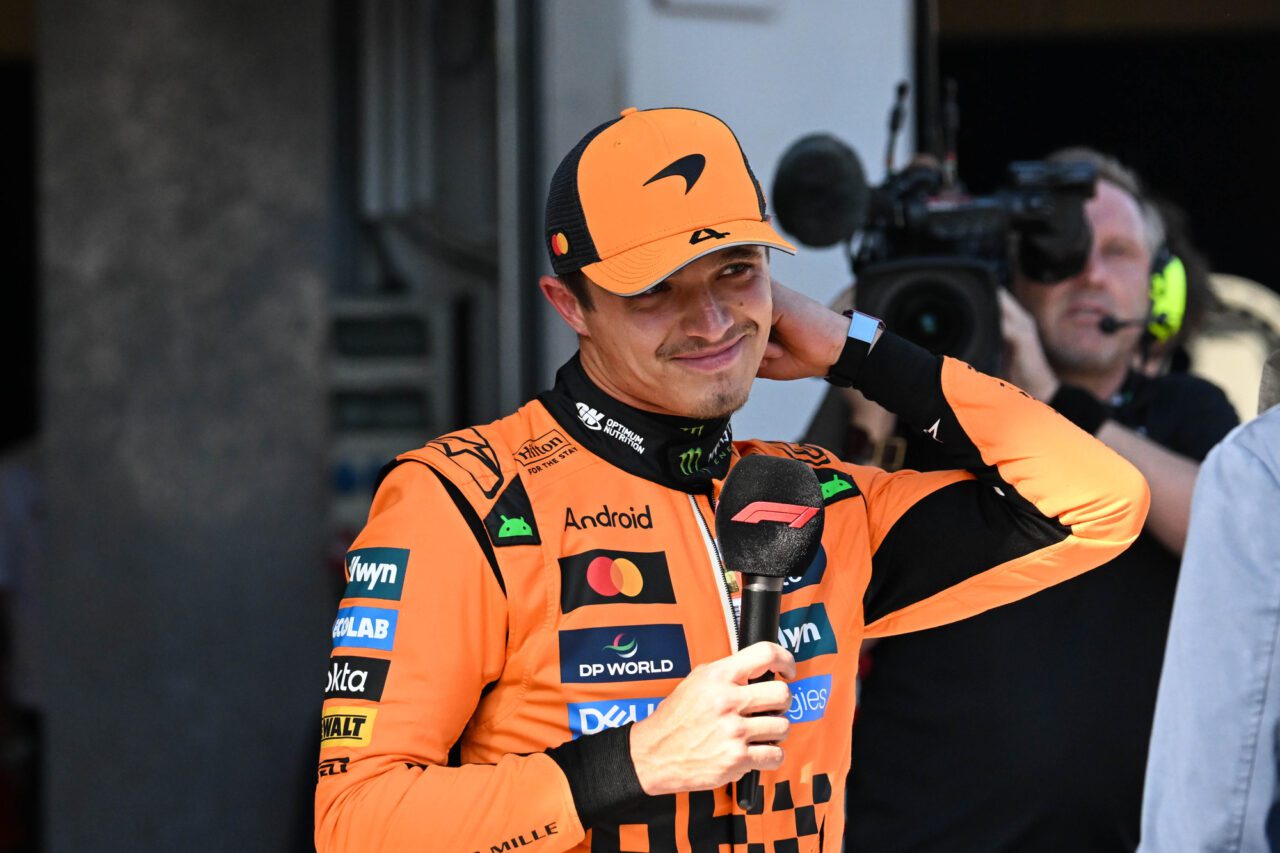
Lando Norris has voiced significant concerns regarding the current Formula 1 power unit regulations, stating that results are often dictated by luck rather than driver input. His comments followed the 2026 Belgian Grand Prix, where he qualified third but started 13th due to an engine penalty, ultimately finishing seventh.
The 2026 season introduced new V6 Turbo Hybrid power units, with electricity now contributing 50% of the overall power output. These units have been described as erratic, prone to delivering unexpected power spikes or cutting power at inopportune moments. McLaren Team Principal Andrea Stella noted an element of ‘self-learning’ within the power units, which is sensitive to driver input but has not consistently proven effective.
This technical characteristic forces drivers to compromise on apex speed to manage energy harvesting and deployment effectively. Tracks like Spa-Francorchamps, known for being energy-starved, and Suzuka, with its high-speed corners, have particularly exposed these shortcomings, leading to a less engaging driving experience.
Norris explicitly stated that achieving optimal performance often relies on ‘hoping you get lucky that the power unit does what it should do and doesn’t do something silly’. He indicated that these issues have affected his performance throughout the current season, with the Belgian Grand Prix being a rare instance where he felt competitive on the straights.
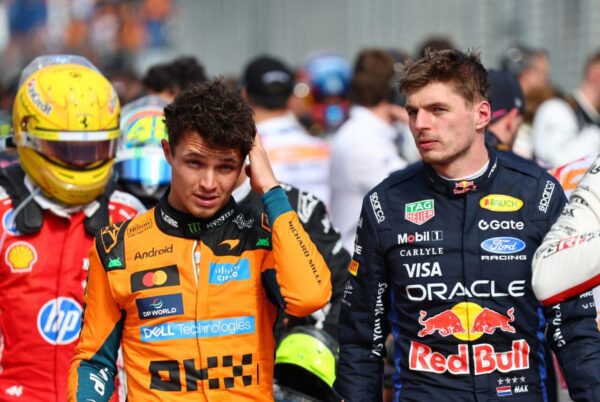
The McLaren driver is not alone in his criticism. George Russell has also reported issues with the Mercedes power unit’s straight-line speed. Charles Leclerc previously labelled the new rules a ‘fking joke’ after qualifying at Suzuka, while Norris’s teammate Oscar Piastri described the regulations as a ‘pretty crap way of racing’. Max Verstappen has also been a vocal critic of the 2026 regulations.
McLaren has encountered its own reliability challenges with the Mercedes-AMG F1 M17 E Performance power units this season. These issues include two distinct battery failures that prevented both Norris and Piastri from starting the Chinese Grand Prix earlier in the year.
For the Belgian Grand Prix, McLaren received an updated specification of the Mercedes power unit, which included reliability improvements. Despite these challenges, the McLaren MCL40 has secured four Grand Prix podiums, two fastest laps, one sprint pole position, and one sprint win during the 2026 season.
The difficulties are not exclusive to Mercedes-powered teams. Honda, which supplies power units to Aston Martin, also experienced reliability problems during 2026 pre-season testing. These were attributed to abnormal vibrations that damaged the battery system.