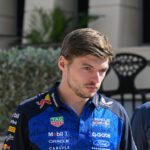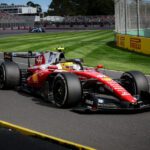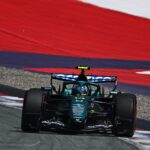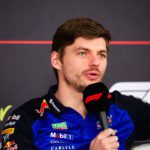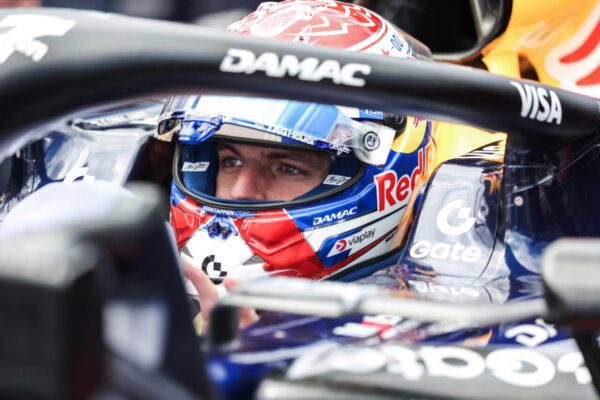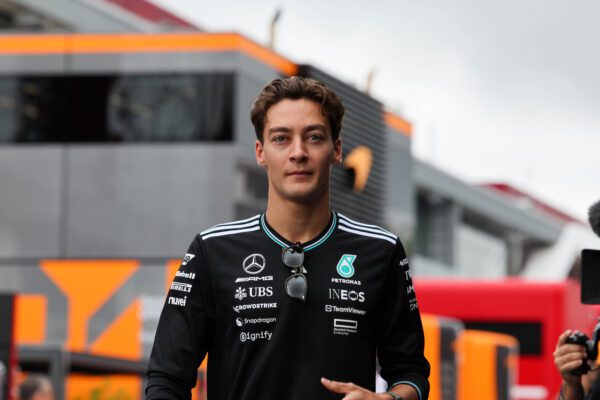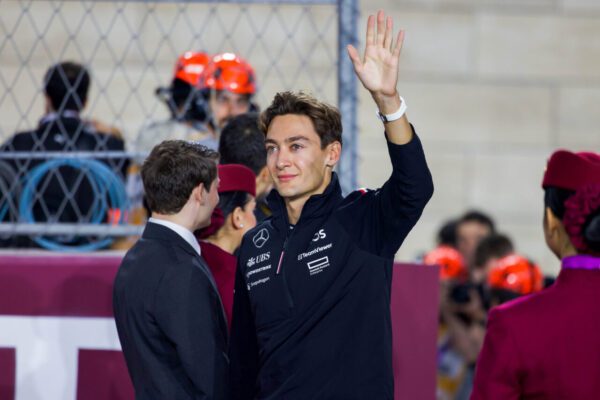
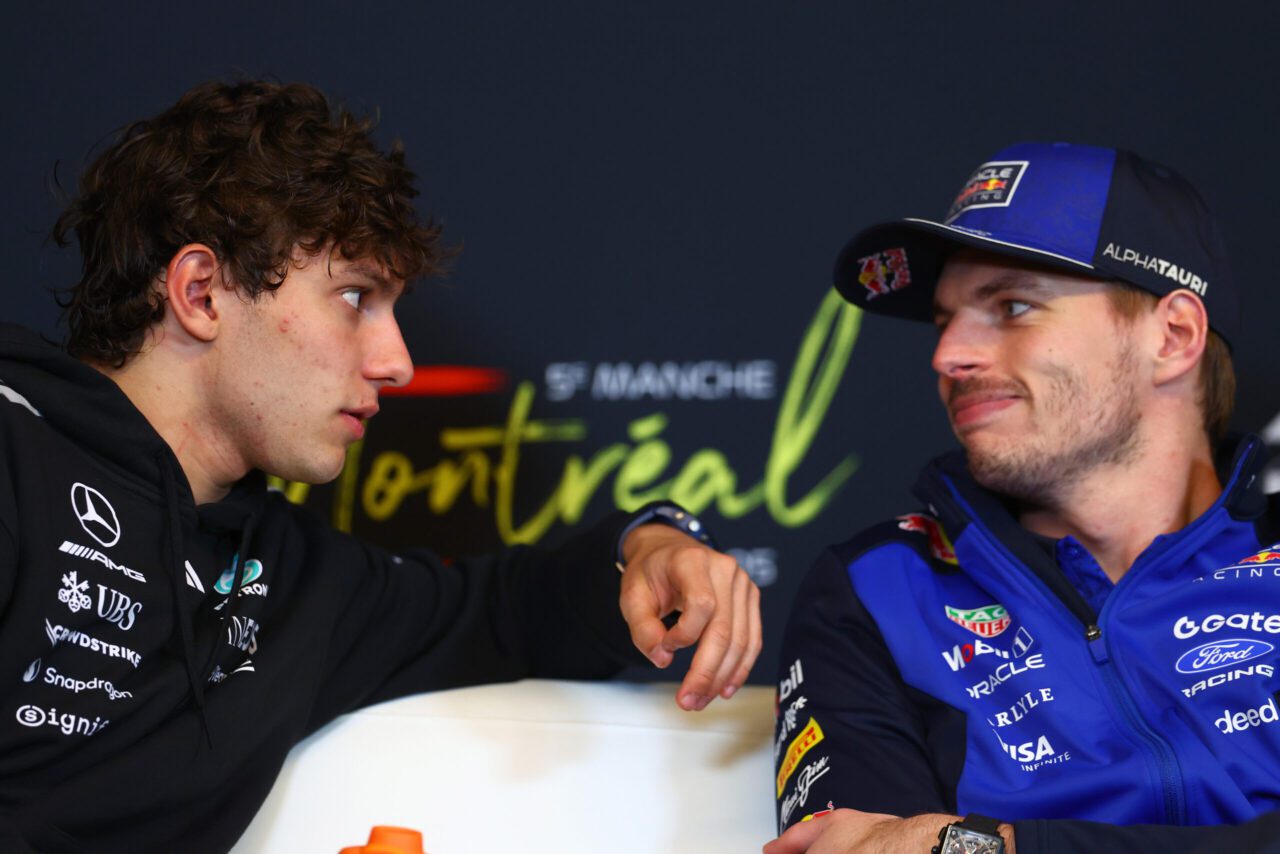
Kimi Antonelli secured victory at the 2026 Belgian Grand Prix, defeating Charles Leclerc in a strategic energy deployment battle. The Mercedes driver crossed the finish line 1.9 seconds ahead of the Ferrari, marking his sixth win of the current season. Max Verstappen completed the podium for Red Bull Racing.
The 2026 Formula 1 season has introduced significant power unit regulations, fundamentally altering energy management. The MGU-H has been removed, while the MGU-K’s maximum electrical output has increased from 120kW to 350kW. This change results in an approximate 50:50 split between internal combustion engine and electrical power.
Spa-Francorchamps emerged as the most energy-sensitive circuit under these new regulations. Its long straights and fewer heavy braking zones demand precise energy harvesting and deployment. The FIA confirmed five ‘straight mode’ active aero activation zones, including the Kemmel Straight and the run to the Bus Stop chicane.
Leclerc initially gained an advantage due to the timing of a Virtual Safety Car on Lap 20. This allowed the Ferrari driver to make a significantly cheaper pit stop, gaining approximately seven seconds and vaulting him into the lead after Antonelli had already pitted.
Antonelli then commenced a recovery drive, consistently reducing the gap to Leclerc by two to three tenths of a second per lap over the subsequent seven laps. He ultimately activated overtake mode on Lap 32 to reclaim the lead.
Telemetry data indicated Antonelli consistently gained time on the start-finish straight and through the section from Turn 16 to the Bus Stop chicane. He appeared to harvest more energy through corners like Turns 5 and 6, and Turns 12 and 13, before deploying it on Spa’s power-sensitive straights.
‘The new power unit regulations make every lap a chess game with energy. Spa was the perfect test,’ Antonelli stated following his victory.
After Antonelli’s overtake, Leclerc’s strategy shifted. He began mirroring Antonelli’s deployment, increasing his speed on the start-finish straight and gaining a substantial advantage along the Kemmel Straight through slipstream.
This adaptation came at the cost of Leclerc’s earlier cornering advantage, with Antonelli becoming significantly quicker through Turns 5 and 6. Leclerc remained within one second of the Mercedes for four laps, benefiting from additional electrical deployment while following closely.
Once Antonelli extended the gap beyond one second, Leclerc’s opportunity to fight back diminished. Ferrari lacked an answer to the Mercedes’ superior pace without the slipstream and additional deployment. Leclerc finished just under two seconds behind the winner.
Max Verstappen, who briefly led Antonelli into Eau Rouge on the opening lap, noted his own deployment issues. ‘Clearly, too much deployment from Turn 1 to Turn 2! Then I went through Eau Rouge, looked at my battery status and thought, ‘Well, that’s going to be a difficult run to Les Combes’,’ Verstappen explained.
Paul Williams, Williams’ Chief Trackside Engineer, highlighted Spa’s unique demands, stating the energy store should be full at Turn 1, depleted by Turn 5, recharged by Turn 14 exit, and emptied by Turn 18. This leaves Sector 2 significantly starved of energy, increasing the likelihood of ‘super clipping’.
The 2026 power unit regulations have introduced an additional strategic layer to Formula 1 racing. Drivers must now manage not only tyres and pace but also energy deployment, creating a decisive tactical battleground in wheel-to-wheel combat.